

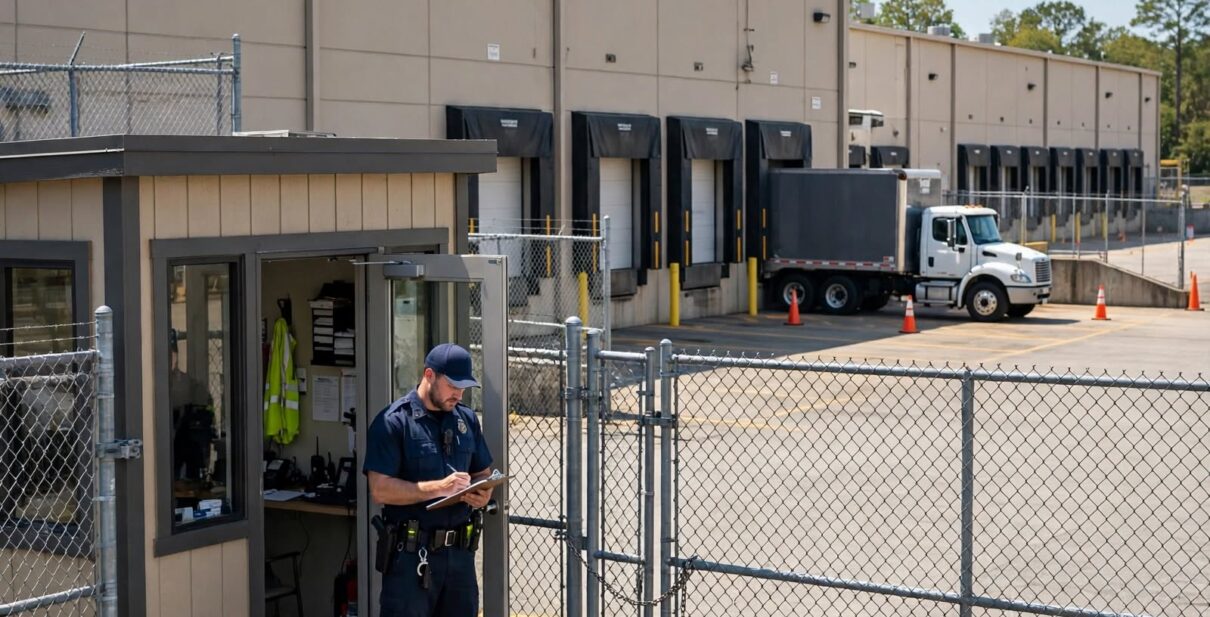
Montgomery’s industrial sector serves as a vital logistics and manufacturing corridor for Central Alabama. Sprawling distribution hubs, automotive parts suppliers, manufacturing plants, and intermodal freight yards operate around the clock, keeping supply chains moving along Interstate 65, Interstate 85, and major regional rail spurs.
However, the sheer physical footprint and high-value contents of these facilities make them lucrative targets for organized cargo theft, opportunistic break-ins, and vandalism. When night falls and standard administrative shifts end, vast exterior storage yards, tractor-trailer staging bays, and unlit perimeter fence lines become vulnerable to calculated incursions.
Relying on perimeter chain-link fences and unattended surveillance cameras is no longer enough to stop modern criminal operations. Securing extensive industrial infrastructure requires disciplined physical defense, strict access verification, and tactical site monitoring provided by Buford Security, a trusted leader in security services Montgomery AL.
The Escalating Risk of After-Hours Theft in Industrial Facilities
After-hours operations present unique security challenges. Warehouses often operate with reduced overnight staff, leaving vast sections of storage racks, loading docks, and exterior parking areas unattended.
Criminal networks actively target industrial operations for several high-value assets:
Palletized Finished Goods and Consumer Cargo: High-demand freight inside staging bays or staged inside unhitched trailers can be breached and unloaded in a matter of minutes.
Heavy Machinery, Forklifts, and Fleet Assets: Commercial vehicles, construction equipment, and utility attachments stored outside represent significant replacement costs and costly project downtime if stolen or vandalized.
Raw Materials and Scrap Metals: Soaring scrap prices make industrial quantities of copper wiring, brass fittings, aluminum coils, and catalytic converters high-priority targets for local trespassers.
Tools and Diagnostic Equipment: Specialized maintenance tools, pneumatic machinery, and electronics stored in outlying utility sheds or shop floors can be stripped and fenced quickly.
1. Fortifying Perimeter Fencing and Eliminating Blind Spots
An industrial facility’s exterior perimeter is its first line of defense. In sprawling yards, long stretches of chain-link or wrought-iron fence often run parallel to unmonitored wooded tracts, rail spurs, or drainage easements.
Routine Boundary and Fence Line Inspections: Uniformed officers conduct regular physical sweeps along the fence perimeter, checking for cut chain-link fabric, burrowed gaps, damaged privacy slats, or compromised sensor lines.
Targeting Shadowed and Dead Zones: Darkness offers cover. Foot and vehicle patrols illuminate unlit exterior storage corners, blind alleys between stacked shipping containers, and overgrown retention basins where trespassers stage equipment before making an entry.
Deterring Pre-Theft Reconnaissance: Organized theft rings frequently case industrial yards during daylight or early dusk. Active security patrols identify suspicious vehicles idling near property perimeters, documenting license plates and deterring scout operations.
2. Gatehouse Access Control and Commercial Vehicle Screening
Unrestricted access points are an open invitation for fraudulent pickups, unauthorized contractor entries, and cargo diversion schemes. Controlled ingress and egress protocols ensure complete chain-of-custody transparency.
Driver Credential Verification: Gatehouse security guards confirm commercial driver licenses, verify digital bills of lading (BOL), and match shipping manifests against daily facility dispatch logs before raising the barrier arm.
Trailer and Seal Inspections: Inbound and outbound shipping containers are inspected for intact high-security bolt seals. Guards physically log seal serial numbers, check for tampered locking bars, and record container IDs to ensure zero internal shrinkage.
Contractor and Vendor Sign-In: Outside technicians, cleaning crews, and delivery couriers are logged, provided site safety badges, and directed strictly to designated zones, preventing unauthorized wandering into sensitive production or inventory aisles.
3. High-Visibility Marked Patrols Across Staging Yards
A static security guard stationed only in an office lobby leaves millions of dollars in exterior yard assets completely exposed. Active, randomized mobile patrols provide the physical deterrence necessary to disrupt organized criminal attempts.
Randomized Patrol Timetables: Static patrol routines allow opportunistic criminals to time their entries between rounds. Buford Security utilizes unpredictable, variable patrol schedules that keep potential intruders guessing.
Marked Vehicle Sweeps: Marked patrol units equipped with high-intensity spotlights navigate between tractor-trailer rows, equipment staging lots, and material storage yards, eliminating hiding spaces and projecting undeniable physical authority.
Physical Checks on Outlying Doors and Overhead Gates: Officers manually test emergency exit panic hardware, rolling warehouse dock doors, and padlocked storage sheds to verify that interior access points remain secured against reverse entry.
4. Preventing Internal Shrinkage and Unauthorized Access
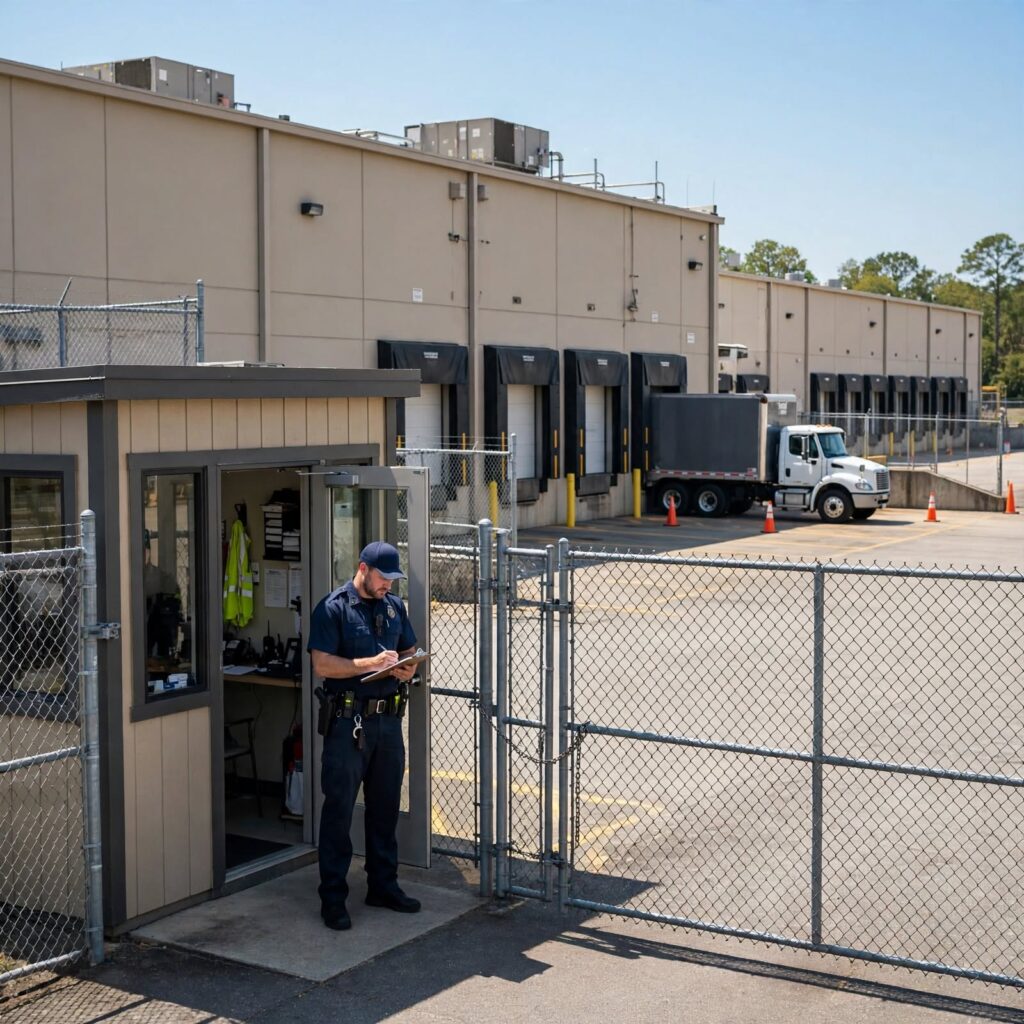
While external break-ins make headlines, internal theft and unauthorized after-hours access account for significant industrial losses over the course of a fiscal year.
Enforcing Clean-Floor and Badge Policies: Security personnel ensure that only authorized overnight warehouse workers enter active fulfillment floors, preventing unauthorized off-shift personnel or former employees from accessing restricted aisles.
Tool Crib and High-Value Cage Management: Dedicated officers manage check-out and return logs for expensive diagnostic tools, copper inventory, and specialized machinery, creating immediate accountability for missing assets.
Random Bag and Vehicle Screenings: Enforcing transparent, company-approved exit checks on employee bags and personal vehicles parking in restricted shipping corridors deters internal diversion of small electronics, parts, and materials.
5. Technology-Driven Accountability and Incident Reporting
Modern facility management requires verifiable data to optimize logistics, resolve liability claims, and comply with corporate risk audits.
GPS-Verified Checkpoint Tracking: Officers utilize digital wanding and geofenced checkpoints along critical warehouse zones, verifying that each patrol tour is executed thoroughly and on schedule.
Instant Electronic Daily Activity Reports (DARs): Property managers receive detailed daily logs covering exterior lighting outages, broken locks, hazardous material leaks, fire door obstructions, and visitor tallies.
Rapid First Responder Liaison: In the event of a perimeter breach, attempted break-in, or hazardous spill, trained security personnel immediately secure the scene, initiate containment protocols, and brief responding Montgomery police and fire units with clear tactical data.
Protect Your Industrial Operations with Buford Security
A single warehouse breach or stolen cargo container can cost an enterprise hundreds of thousands of dollars in direct losses, supply chain delays, and soaring insurance premiums. Passive defenses leave your property exposed; proactive on-site defense stops crime before it happens.
Buford Security delivers specialized, law enforcement–grade security services Montgomery AL, providing the physical presence, gate control, and mobile patrol coverage your distribution center, yard, or manufacturing facility needs to operate securely.